The MacBook Pro's Touch Bar, a sleek strip of OLED magic, promises a dynamic, context-aware interface right at your fingertips. When it works, it's a productivity enhancer, adapting to whatever app you're using. But when it doesn't? A blank, unresponsive bar can be a frustrating hurdle in your workflow, signaling an issue that's often far simpler to fix than you might imagine. Rather than waiting for problems to arise, a proactive approach to Preventing MacBook Touch Bar Problems & Maintenance can keep this versatile tool running smoothly, ensuring it remains an asset, not a headache.
This guide isn't just about fixing a broken Touch Bar; it's about understanding why it might falter and empowering you with the knowledge to maintain it effectively, dodging common pitfalls that lead to malfunction.
At a Glance: Keeping Your Touch Bar Happy
- Stay Updated: Regularly install macOS updates to squash bugs and ensure compatibility.
- Keep it Cool: Overheating is a silent killer for electronics; avoid excessive heat.
- Clean Regularly: A microfiber cloth is your Touch Bar's best friend against dust and debris.
- Lighten the Load: Monitor background apps to prevent system overload and sluggishness.
- Restart Smart: Don't underestimate the power of a simple MacBook restart.
- Know Your Settings: A "malfunction" might just be a misconfigured display setting.
- Back Up: Always, always back up your data before attempting advanced troubleshooting.
Understanding Your Touch Bar: More Than Just a Strip of Light
The Touch Bar isn't merely a display; it's a sophisticated input device powered by its own dedicated software processes, often referred to as "Control Strip" or "TouchBarServer." It integrates deeply with macOS and individual applications, offering shortcuts, contextual tools, and dynamic controls. This complexity, while powerful, also means several potential points of failure, ranging from minor software glitches to more serious hardware concerns.
Knowing the common culprits behind a misbehaving Touch Bar is the first step toward effective prevention and troubleshooting.
Why Your Touch Bar Might Be Acting Up: Common Causes
Think of your Touch Bar like any other complex piece of software and hardware. It needs the right conditions to thrive. Here's a quick rundown of what often throws it off:
- Software Glitches: Sometimes, macOS or an app just gets a little confused. These temporary bugs can disrupt the Touch Bar's connection or display.
- Resource Overload: If your MacBook is juggling too many tasks – perhaps rendering a complex video, running multiple virtual machines, or processing large datasets – its system resources can get stretched thin. This can starve the Touch Bar's processes, making it unresponsive.
- Outdated macOS: Running an older version of macOS is like trying to use a modern app on an ancient operating system. Compatibility issues are rampant, often manifesting as minor annoyances or outright failures in components like the Touch Bar.
- Corrupted Settings or Cache: Over time, system files, preferences, or cached data can become corrupted. This digital "clutter" can confuse the Touch Bar's processes, leading to erratic behavior or unresponsiveness.
- Hardware Issues: While less common for intermittent problems, physical damage (like a drop or liquid spill) or internal component failure can directly impact the Touch Bar's functionality. Signs might include a completely black screen or unresponsive sections.
- Misleading Settings: Sometimes, the Touch Bar isn't broken at all; it's just configured in a way that gives the appearance of malfunction. For example, if the Control Strip is hidden, it might seem like the Touch Bar isn't working when it's just set to minimal display.
The Proactive Playbook: Preventing Touch Bar Troubles Before They Start
An ounce of prevention is worth a pound of cure, especially when it comes to sophisticated electronics. By integrating a few simple habits into your routine, you can significantly reduce the likelihood of encountering Touch Bar problems.
1. Keep Your macOS Up to Date: The Digital Vaccine
This is perhaps the simplest yet most crucial preventative measure. Apple regularly releases macOS updates not just for new features, but critically, for bug fixes, security enhancements, and performance improvements. These updates often address underlying software glitches that could affect components like the Touch Bar.
Why it matters: An outdated macOS version can lead to compatibility issues with applications and even internal system processes, causing instability. Regularly updating ensures your Touch Bar is running on the most stable and optimized software foundation.
How to do it:
- Click the Apple logo in the top-left corner.
- Go to System Settings (or System Preferences on older macOS versions).
- Select General > Software Update.
- Check for and install any available updates. Always restart your MacBook after an update.
2. Guard Against Excessive Heat: Your Mac's Silent Killer
Heat is the enemy of electronics. Prolonged exposure to high temperatures can degrade components, shorten their lifespan, and even cause intermittent malfunctions. The Touch Bar, being an OLED screen with underlying electronics, is no exception.
Why it matters: Overheating can cause components to temporarily shut down or behave erratically. Chronic heat exposure can lead to permanent damage, making your Touch Bar unresponsive or causing screen artifacts.
How to do it:
- Use on Hard, Flat Surfaces: Avoid placing your MacBook on soft surfaces like blankets or pillows, which can block air vents and trap heat.
- Monitor Resource-Intensive Tasks: If you're rendering video or running graphically demanding games, ensure your MacBook has adequate ventilation. Consider using an external cooling pad if you frequently push your machine to its limits.
- Clean Vents: Periodically inspect your MacBook's vents for dust buildup. A can of compressed air can carefully clear blockages.
3. Clean the Touch Bar Regularly: Clear the Way
Just like any other screen, the Touch Bar can accumulate dust, grime, and fingerprints. While minor cosmetic, excessive buildup can sometimes interfere with its responsiveness or even trap debris in the small crevices around its edges.
Why it matters: A clean surface ensures optimal touch response and prevents minor obstructions that could be mistaken for software issues.
How to do it:
- Power Down: Always shut down your MacBook Pro before cleaning. This prevents accidental inputs and protects the screen from potential damage during cleaning.
- Use a Microfiber Cloth: Lightly dampen a clean, soft, lint-free microfiber cloth with water. Avoid using harsh chemicals, aerosol sprays, or anything containing ammonia, alcohol, or abrasives.
- Gentle Wipe: Gently wipe the Touch Bar to remove smudges and dust. Avoid pressing too hard.
4. Monitor Resource Usage: Keep Your System Breathing Easy
A MacBook that's constantly struggling with too many open applications or background processes is a MacBook ripe for performance issues, and the Touch Bar isn't immune. When your system is overloaded, vital processes for the Touch Bar might not receive the necessary resources, leading to lag or unresponsiveness.
Why it matters: Resource overload can cause system instability, making the Touch Bar sluggish, unresponsive, or prone to freezing.
How to do it:
- Use Activity Monitor: Regularly check Activity Monitor (found in Applications > Utilities) to see which applications or processes are consuming the most CPU, Memory, or Energy.
- Close Unused Apps: Get into the habit of closing applications you're not actively using.
- Manage Login Items: Review your Login Items in System Settings > General > Login Items to ensure only essential apps launch automatically at startup. Too many can bog down your system from the get-go.
When Trouble Strikes: Your Step-by-Step Troubleshooting Guide
Even with the best preventative measures, sometimes the unexpected happens. If your Touch Bar goes dark, becomes unresponsive, or starts behaving oddly, don't panic. Start with the simplest fixes and work your way up.
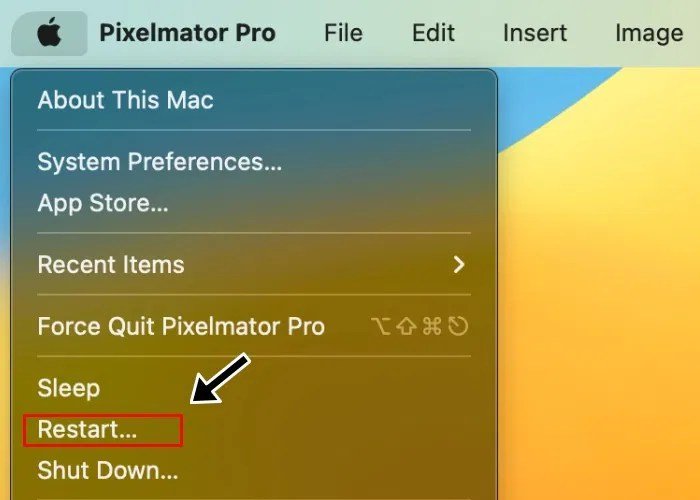
1. The Classic Fix: Restart Your MacBook Pro
It might sound too simple, but a full system restart resolves a surprising number of software-related issues. It clears temporary glitches, reloads macOS processes, and refreshes all components, including the Touch Bar's software.
How to do it:
- Click the Apple logo in the top-left corner of your screen.
- Select Restart.
- Confirm by clicking Restart again.
2. Force Quit the Touch Bar Process: A Quick Reset
The Touch Bar relies on specific background processes to function. If one of these processes (often called "Control Strip" or "TouchBarServer") gets stuck or becomes unresponsive, force quitting it can often resolve the issue immediately, as macOS will automatically restart it.
How to do it:
- Open Activity Monitor (you can find it in Applications > Utilities, or press Cmd + Space and search for "Activity Monitor").
- In the search bar at the top right of the Activity Monitor window, type "Touch Bar", "Control Strip", or "TouchBarServer".
- Select the relevant process from the list (it might just be called
TouchBarServerorControlStrip). - Click the X icon in the toolbar to quit the process.
- When prompted, choose Force Quit. The process should automatically restart, and your Touch Bar should return to normal.
3. Reset the Touch Bar Using Terminal: For a Deeper Reboot
If simply force quitting through Activity Monitor doesn't do the trick, the Terminal offers a more direct command to reset the Touch Bar's processes. This effectively kills the Touch Bar server and control strip, forcing a clean restart.
How to do it:
- Open Terminal (Applications > Utilities, or Cmd + Space and search for "Terminal").
- Type the following command precisely, then press Enter:
sudo pkill TouchBarServer; sudo killall "ControlStrip" - If prompted, enter your Mac's password. You won't see characters as you type it.
- Press Enter again. The Touch Bar should briefly disappear and then reappear as its processes restart.
4. Ensure macOS is Up to Date: A Continuous Solution
We covered this in prevention, but it's worth reiterating as a crucial troubleshooting step. If your Touch Bar suddenly acts up, and you haven't updated macOS in a while, it's one of the first things to check. Outdated software often means unpatched bugs or compatibility issues.
How to do it:
- Click the Apple logo > System Settings (or System Preferences) > General > Software Update.
- Install any available updates and restart your MacBook.
5. Reset the System Management Controller (SMC): Intel MacBooks Only
The SMC controls low-level functions like power, battery management, thermal management, and various hardware components, including keyboard and Touch Bar illumination. A reset can often resolve power-related issues that impact these components.
Important Note: This procedure ONLY APPLIES TO INTEL-BASED MACBOOKS. If you have a MacBook with an Apple Silicon chip (M1, M2, M3, etc.), the SMC reset procedure is different and largely integrated into simply restarting your Mac.
How to do it (Intel Macs with T2 Security Chip):
- Shut down your MacBook Pro.
- Press and hold the Shift (left), Control (left), and Option (left) keys simultaneously, along with the Power button.
- Hold all four keys for 10 seconds.
- Release all keys.
- Turn your MacBook back on as usual.
6. Reset the NVRAM/PRAM: Clear Essential System Settings
NVRAM (nonvolatile random-access memory) and PRAM (Parameter RAM) store certain system settings like display resolution, startup disk selection, time zone, and, occasionally, settings related to input devices. Resetting them can clear corrupted settings that might affect the Touch Bar.
How to do it:
- Shut down your MacBook Pro completely.
- Turn it back on, and immediately press and hold Option + Command + P + R simultaneously.
- Keep holding these keys for about 20 seconds. During this time, your Mac might appear to restart or you might hear the startup chime a second time.
- Release the keys once your Mac fully restarts. You may need to readjust some system settings like date/time or volume afterward.
If you're noticing intermittent issues or strange visual artifacts on your Touch Bar, a deeper dive into specific visual malfunctions might be helpful. For instance, sometimes the Touch Bar might not be completely dead, but rather exhibiting a flicker. You can learn more about addressing these kinds of visual anomalies in our dedicated MacBook Pro Touch Bar flickering guide.
7. Customize Touch Bar Settings: A Misconfiguration Check
Sometimes, the Touch Bar might seem unresponsive or "broken" simply because its settings are not configured as you expect. It's worth a quick check to ensure the Control Strip is visible and that your desired functions are enabled.
How to do it:
- Open System Settings (or System Preferences) > Keyboard.
- In the "Touch Bar shows" dropdown, ensure "App Controls" or "Expanded Control Strip" is selected, depending on your preference.
- Make sure "Show Control Strip" is checked.
- Click Customize Touch Bar. Here, you can drag and drop desired controls onto the Touch Bar and click Done. This can sometimes jolt the Touch Bar into re-evaluating its display.
8. Clear Touch Bar Cache Files: Decluttering the System
Corrupted or stale cache files can cause all sorts of software glitches. While macOS generally manages its caches well, manually clearing them can sometimes resolve persistent issues with specific components.
How to do it:
- Open Finder.
- In the menu bar, click Go > Go to Folder (or press Shift + Command + G).
- Type
~/Library/Caches/and press Enter. This will open your user's cache folder. - Look for any folders or files related to "Touch Bar" or "Control Strip" (e.g.,
com.apple.TouchBarServer). You can safely delete these. - Restart your MacBook. Don't worry, deleting cache files will not delete your personal data; macOS will regenerate them as needed.
9. Check for Hardware Issues: The Physical Examination
If software solutions haven't yielded results, it's time to consider a hardware problem. Physical damage, internal cable disconnections, or component failure could be the culprit.
How to do it:
- Visual Inspection: Carefully inspect the Touch Bar for any visible cracks, discoloration, or debris lodged in the edges.
- Run Apple Diagnostics: Apple Diagnostics (or Apple Hardware Test on older Macs) can help identify potential hardware problems.
- Shut down your MacBook Pro completely.
- Turn it on and immediately press and hold the D key until you see a screen asking for your language.
- Follow the on-screen instructions. If a hardware issue is detected, you'll see a reference code. Make a note of this code.
- If diagnostics detect a hardware issue, your next step is to contact Apple Support or visit an authorized service provider.
10. Reset Your Mac to Factory Settings: The Last Resort
This is the nuclear option, to be considered only when all other troubleshooting steps have failed. Resetting your Mac to factory settings will erase all data and reinstall macOS. While effective for resolving deep-seated software corruption, it's a time-consuming process and requires careful preparation.
Crucial First Step: Back Up Everything!
Before even thinking about a factory reset, back up all your important data. Use Time Machine, an external hard drive, or cloud services to ensure every photo, document, and project is safe.
How to do it:
- Backup your Mac: Seriously, do it now.
- Restart in Recovery Mode:
- For Intel-based Macs: Shut down your Mac. Turn it on and immediately press and hold Command + R until you see the Apple logo or a spinning globe.
- For Apple Silicon (M1, M2, etc.) Macs: Shut down your Mac. Press and hold the Power button until you see "Loading startup options." Click Options then Continue.
- Erase Your Startup Disk: In the macOS Utilities window, select Disk Utility. Click Continue. Select your primary startup disk (usually "Macintosh HD") from the sidebar, then click Erase in the toolbar. Follow the prompts to format it.
- Reinstall macOS: Quit Disk Utility to return to the macOS Utilities window. Select Reinstall macOS and follow the on-screen instructions.
- Restore Data: Once macOS is reinstalled, you can restore your backed-up data from Time Machine or your external drive.
When to Call for Backup: Knowing When to Seek Professional Help
If you've diligently worked through all the troubleshooting steps, from simple restarts to a full factory reset, and your Touch Bar still isn't cooperating, it's time to admit defeat and call in the experts.
Persistent issues, especially those accompanied by Apple Diagnostics error codes or signs of physical damage, strongly suggest a hardware problem. Attempting to fix hardware issues yourself without the proper tools, expertise, or genuine Apple parts can void your warranty, cause further damage, or even be dangerous.
Your next steps:
- Contact Apple Support: Visit support.apple.com to chat online, speak with a representative, or schedule a call. Be ready to explain the symptoms and the troubleshooting steps you've already taken.
- Visit an Apple Store or Authorized Service Provider: If possible, make an appointment at a Genius Bar or an Apple Authorized Service Provider. They have specialized diagnostic tools and trained technicians who can accurately pinpoint and repair hardware failures.
The Touch Bar, like any advanced component, requires a blend of smart software management and careful physical handling to ensure its longevity. By understanding its potential vulnerabilities and integrating proactive maintenance into your routine, you can prevent most common problems and quickly resolve the unexpected ones. Keep your MacBook clean, cool, and updated, and your Touch Bar will continue to be the dynamic, intuitive tool it was designed to be.