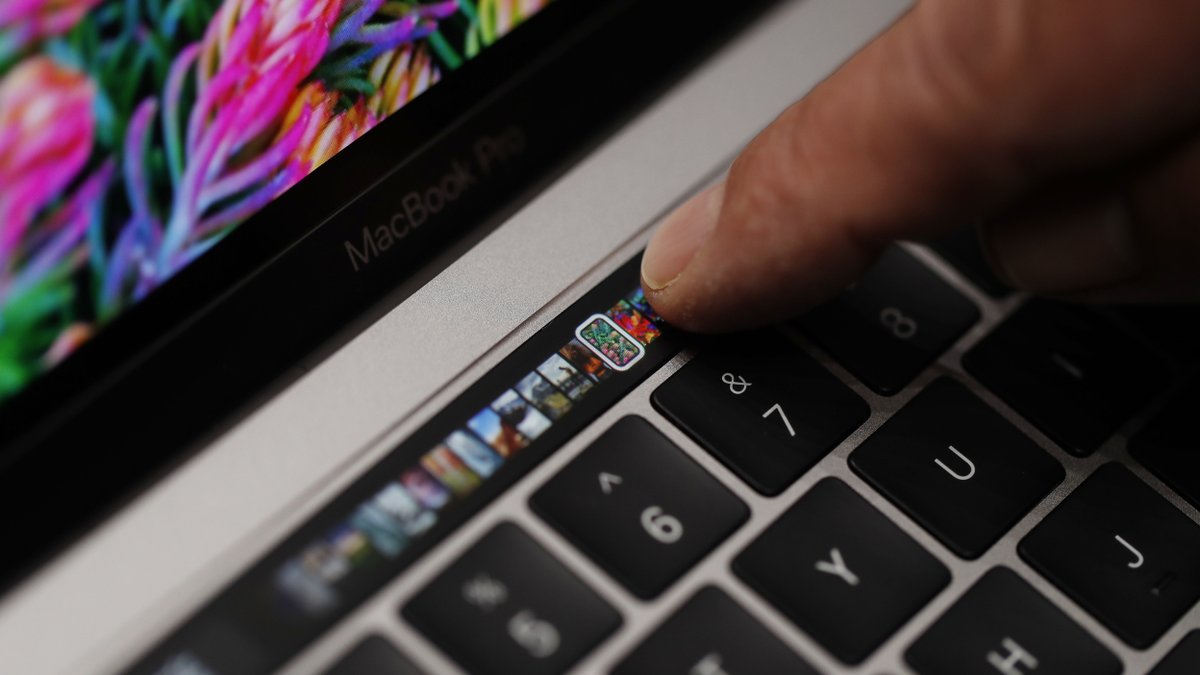
When your MacBook's Touch Bar — that sleek, dynamic strip of glass above your keyboard — starts acting up, it can feel like a small betrayal. It’s not just a fancy gimmick; for many, it’s an integral part of their workflow, adapting to context and offering quick access to controls and functions. So, when it flickers, freezes, or fails to respond, you're not just dealing with an annoyance; you’re facing a genuine disruption. Understanding the ins and outs of professional repair & warranty for MacBook Touch Bar issues isn't just smart planning; it's essential for getting your digital life back on track without unnecessary stress or expense.
Navigating the world of tech repairs can feel like a maze, filled with jargon and conflicting advice. But don't worry, we're here to demystify the process. We’ll walk through everything from diagnosing the problem to choosing the right service provider and making the most of your warranty, ensuring you make informed decisions every step of the way.
At a Glance: Your Touch Bar Repair Checklist
- Diagnose First: Determine if it’s a software glitch (reset SMC/NVRAM, update macOS) or hardware damage.
- Back Up Data: Always back up your MacBook before any repair to protect your valuable information.
- Check Warranty Status: Verify if your MacBook is still under Apple's standard warranty or AppleCare+.
- Compare Repair Options: Weigh official Apple services against reputable third-party repair shops for cost, speed, and warranty.
- Prepare for Service: Log out of accounts, gather documentation, and clearly describe the issue to the technician.
- Understand Costs: Expect professional Touch Bar replacement to cost between $200-$500+, varying by model and damage.
- DIY is Risky: Attempting self-repair can cause further damage and void your warranty.
When Your Touch Bar Goes Rogue: Understanding the Problem
The MacBook Touch Bar, while innovative, isn't immune to issues. Its complexity means problems can stem from various sources, making a clear diagnosis the first crucial step toward a solution.
Common Culprits Behind Touch Bar Trouble
Before you panic, it helps to understand what might be causing your Touch Bar to misbehave. The causes generally fall into a few categories:
- Software Glitches: These are often the least severe and most common culprits. Buggy macOS updates, conflicts with certain applications, or deep-seated system errors can make your Touch Bar unresponsive or erratic. Think of it like a temporary software hiccup.
- Hardware Malfunction: This is where things get a bit more serious. It could be physical damage to the Touch Bar itself (cracks, pressure marks), or issues with internal components like its connecting cables or even the logic board it plugs into.
- Liquid Spillage: Even a small splash can wreak havoc. The Touch Bar, like most delicate electronics, is highly sensitive to moisture. Liquid can short-circuit components, leading to partial or complete failure.
- Wear and Tear: Constant use, repeated pressure, or simply the passage of time can degrade internal components. Over years, this can lead to decreased responsiveness or intermittent functionality.
Telling Signs: Is Your Touch Bar Damaged?
Recognizing the symptoms early can help you describe the problem accurately to a technician, speeding up the repair process. Keep an eye out for these red flags:
- Unresponsive Touch Bar: You tap, swipe, and nothing happens. It's just a blank or static display.
- Glitching and Flickering: The display might show distorted visuals, erratic colors, or rapid, unexplained flickering.
- Incorrect Commands: You tap one icon, and the Touch Bar performs a completely different, unintended action.
- Partial Functionality: Only certain segments or areas of the Touch Bar respond, while others remain dead or stuck.
- Error Messages: Occasionally, your MacBook might even display a system error message specifically related to the Touch Bar or its connectivity.
If you're noticing any of these issues, it's a clear signal that something isn't quite right.
First Aid for Your Touch Bar: What You Can Try Before Repair
Before jumping straight to a repair shop, especially for issues that seem intermittent or non-physical, there are a few foundational troubleshooting steps you can take. These often resolve software-related glitches and can save you time and money. For more comprehensive troubleshooting, you might want to review how to troubleshoot MacBook Pro Touch Bar issues.
The Go-To Software Fixes
Many Touch Bar problems are software-based. Here's your first line of defense:
- Restart Your MacBook: It sounds simple, but a fresh reboot can often clear temporary software conflicts or memory issues that are affecting the Touch Bar.
- Reset the System Management Controller (SMC): The SMC controls many low-level functions on your MacBook, including power, battery management, and keyboard/Touch Bar backlight. Resetting it can resolve a host of hardware-related (but software-controlled) issues. The steps vary slightly by MacBook model, but generally involve shutting down and holding specific key combinations during startup.
- Reset Non-Volatile Random-Access Memory (NVRAM) / Parameter RAM (PRAM): NVRAM stores certain system settings to ensure quick access. Resetting it can fix issues related to display resolution, startup disk selection, and, yes, sometimes even Touch Bar behavior. Again, specific key combinations are involved during startup.
- Update macOS: Ensure your MacBook is running the latest version of macOS. Apple frequently releases updates that include bug fixes and performance improvements which could address known Touch Bar issues.
- Check for Application Conflicts: If the Touch Bar issues only appear when a specific application is open, try updating that application or temporarily uninstalling it to see if it resolves the problem.
If these steps don't bring your Touch Bar back to life, it's highly probable you're dealing with a hardware issue, and that’s when professional intervention becomes necessary.
Why Professional Repair is Often the Only Real Solution
When your Touch Bar’s issues persist beyond software troubleshooting, you’re almost certainly looking at a hardware problem. This is where the temptation for a DIY fix might arise, but for a component as integrated and delicate as the Touch Bar, professional service is overwhelmingly the wiser choice.
The Perils of DIY Repair
While online guides and toolkits might make DIY repairs seem accessible, attempting to fix a MacBook Touch Bar yourself carries significant risks:
- Further Damage: MacBooks are incredibly tightly packed and complex. One slip of a tool can damage sensitive components like the logic board, battery, or screen, turning a Touch Bar issue into a much more expensive problem.
- Voiding Your Warranty: Cracking open your MacBook, even if it's out of its standard warranty, will almost certainly void any extended warranty coverage you might have, like AppleCare+. This means if your DIY fix fails or causes new issues, you're on the hook for full repair costs later.
- Superficial Fixes: Without proper diagnostic tools, you might only address the symptom, not the root cause. A failing cable, for instance, might be replaced, but if the issue stems from the logic board, the problem will soon return.
- Incorrect Parts: Sourcing genuine or high-quality replacement parts can be difficult for consumers. Using cheap, incompatible, or counterfeit parts can lead to performance issues, decreased lifespan, or even safety hazards.
The Undeniable Benefits of Professional Service
Choosing a professional for your Touch Bar repair offers peace of mind and long-term reliability:
- Expertise and Experience: Professional technicians, especially those certified by Apple or specializing in Mac repairs, have deep knowledge of MacBook architecture and common failure points. They can accurately diagnose the issue quickly.
- Proper Tools and Environment: Repair shops are equipped with specialized tools, antistatic environments, and the right equipment to handle delicate electronics without causing further damage.
- Genuine or Certified Parts: Reputable repair services use either genuine OEM (Original Equipment Manufacturer) parts or high-quality, certified aftermarket components that ensure compatibility and durability.
- Thorough Diagnosis: Professionals don't just fix the obvious problem; they conduct comprehensive diagnostics to uncover any underlying issues that might lead to future problems.
- Warranty on Repairs: Most professional services offer a warranty on their repair work and the parts used, typically up to a year. This provides a safety net if the same issue recurs after the repair.
- Long-Term Functionality: A professionally repaired Touch Bar is more likely to function correctly and reliably for the long haul, protecting your investment in your MacBook.
Navigating Repair Service Providers: Apple vs. Third-Party
Once you've decided on professional repair, your next big decision is where to take your MacBook. The two primary paths are official Apple services and independent third-party repair shops. Each has its own set of advantages and considerations regarding cost, speed, and overall experience.
Official Apple Services: The Gold Standard (with a Price Tag)
Taking your MacBook directly to Apple or an Apple Authorized Service Provider (AASP) is often seen as the most reliable option.
- Pros:
- Genuine Apple Parts: You are guaranteed genuine Apple components, ensuring perfect compatibility and performance.
- Certified Technicians: Repairs are performed by Apple-trained and certified technicians who follow Apple's strict repair protocols.
- Integrated Warranty: Repairs performed by Apple often come with a 90-day warranty or the remainder of your existing Apple warranty/AppleCare+ coverage, whichever is longer.
- Reliability: You can trust the quality of the repair.
- Cons:
- Cost: This is usually the biggest deterrent. Out-of-warranty Touch Bar replacements can be expensive, often around £400 (or $300+ for a component like a trackpad alone, with parts at $150). Total costs can range significantly based on your specific MacBook Pro model and the extent of the damage. For extensive or water damage, costs can climb even higher.
- Turnaround Time: Repairs can take 1-2 weeks, depending on part availability and service center workload. This can be a significant inconvenience if you rely heavily on your MacBook for work or school.
- Limited Availability: Apple Stores and AASPs might not be readily available in all locations, requiring travel or shipping.
Third-Party Repair Shops: The Alternative Route
Independent repair shops specializing in Mac repairs offer a compelling alternative, particularly for those looking for more budget-friendly or faster options.
- Pros:
- Cost-Effective: Third-party shops generally offer more competitive pricing. Touch Bar replacements might start from £200-£300, with typical costs ranging from £200-£400 for a replacement, potentially saving you a significant amount compared to Apple.
- Faster Service: Many independent shops pride themselves on quicker turnaround times, often offering same-day service or completing repairs within a few days.
- Personalized Service: You might experience a more direct, personalized interaction with technicians.
- Repair Warranties: Reputable shops offer their own repair warranties, typically up to 1 year, providing confidence in their work.
- Cons:
- Part Quality: The quality of replacement parts can vary. Ensure the shop uses high-quality, OEM-equivalent parts and explicitly ask about their sourcing.
- Technician Expertise: While many independent technicians are highly skilled, certification levels can vary. Look for shops with experienced, dedicated MacBook repair specialists.
- Warranty Concerns: Using third-party repair could theoretically complicate future Apple service, though this is less common for out-of-warranty devices.
Factors Influencing Repair Costs
Regardless of your chosen provider, several factors will impact the final bill:
- Type of Damage: A surface crack on the Touch Bar is different from extensive liquid damage that has affected the logic board. The latter will be far more costly.
- MacBook Pro Model: Newer or higher-end MacBook Pro models often have more expensive parts and more complex designs, leading to higher repair costs.
- Geographic Location: Repair costs can be higher in major metropolitan areas due to higher operational costs.
- Chosen Service Provider: As discussed, Apple's pricing structure is generally higher.
The Warranty Lifeline: AppleCare+ and Beyond
Understanding your warranty situation is paramount before proceeding with any repair. It can drastically alter the cost equation, potentially turning a costly repair into a free or significantly discounted one.
Standard Apple Warranty
Every new MacBook comes with a standard limited warranty (typically 1 year) and 90 days of complimentary technical support. This warranty covers manufacturing defects, not accidental damage. If your Touch Bar issue is clearly due to a defect in materials or workmanship, and your device is within this period, Apple will likely repair it for free. However, most Touch Bar issues that require professional help are often due to hardware damage not covered by this standard warranty.
AppleCare+: Your Repair Superpower
This is where AppleCare+ becomes a game-changer. AppleCare+ is an extended warranty and accidental damage protection plan that you can purchase within a certain period of buying your MacBook.
- What it Covers: AppleCare+ extends your hardware coverage and technical support, but crucially, it includes coverage for up to two incidents of accidental damage every 12 months, each subject to a service fee.
- Cost Savings: This is where the magic happens. Without AppleCare+, an out-of-pocket Touch Bar replacement could cost upwards of £400-£755 ($455-$755) or more, depending on the damage. With AppleCare+, a repair for accidental damage (like a Touch Bar issue caused by a drop or spill) might only cost you a service fee of around £79 ($99) for screen damage or similar accidental damage (pricing can vary, up to £249/$299 for other accidental damage). The savings are substantial.
- Eligibility: To utilize AppleCare+, your MacBook must still be covered by the plan, and you must not have exceeded your allotted accidental damage incidents for the year.
Is AppleCare+ worth it? For many MacBook owners, especially those who travel frequently, work in dynamic environments, or simply want peace of mind, the upfront cost of AppleCare+ is a worthwhile investment against potentially expensive accidental damage repairs. It turns a significant financial hit into a manageable service fee.
Preparing for a Smooth Repair Experience
Regardless of whether you choose Apple or a third-party shop, a little preparation goes a long way in ensuring a quick, efficient, and stress-free repair process.
- Back Up All Your Data (Crucial!): This cannot be stressed enough. Repairs, especially hardware ones, sometimes require system resets or component replacements that can lead to data loss. Use Time Machine, iCloud, or another reliable backup method to ensure all your files, photos, and documents are safe.
- Remove Personal Information: Log out of iCloud, iTunes, Messages, and any other personal accounts. Disable "Find My Mac" if you use it. This protects your privacy and often speeds up the repair process, as technicians won't need to request your credentials.
- Gather Necessary Documents: Have your original purchase receipt, warranty information, and AppleCare+ plan details (if applicable) ready. This verifies ownership and coverage.
- Document Specific Issues: Write down exactly what's happening with your Touch Bar. When did it start? What are the symptoms? Does it happen all the time, or only with certain apps? Detailed information helps the technician diagnose more accurately.
- Clean Your MacBook: A clean device is always appreciated and reflects care. Give your MacBook a quick wipe-down before taking it in.
Making the Smart Repair Decision
Ultimately, getting your MacBook Touch Bar professionally repaired isn’t just about fixing a component; it’s about restoring your productivity and peace of mind. By taking a methodical approach, you can navigate the repair landscape with confidence.
Start by evaluating the specific issue: Is it a software hiccup you can resolve with a few clicks, or does it point to a deeper hardware problem? Compare the convenience, cost, and dependability of your repair options, weighing the guaranteed quality of Apple service against the potential savings and speed of a reputable third-party shop. And most importantly, always prepare adequately – backing up your data and documenting your issue are non-negotiable steps.
By following these guidelines, you're not just getting a repair; you're making an informed investment in the continued functionality and longevity of your MacBook.